SEARCH
The biggest cost in operating a HVAC system comes from energy consumption; therefore, the insulation parameters of the ducts directly affect the overall energy efficiency of the system. Fiberglass ducts are widely used in air conditioning and ventilation
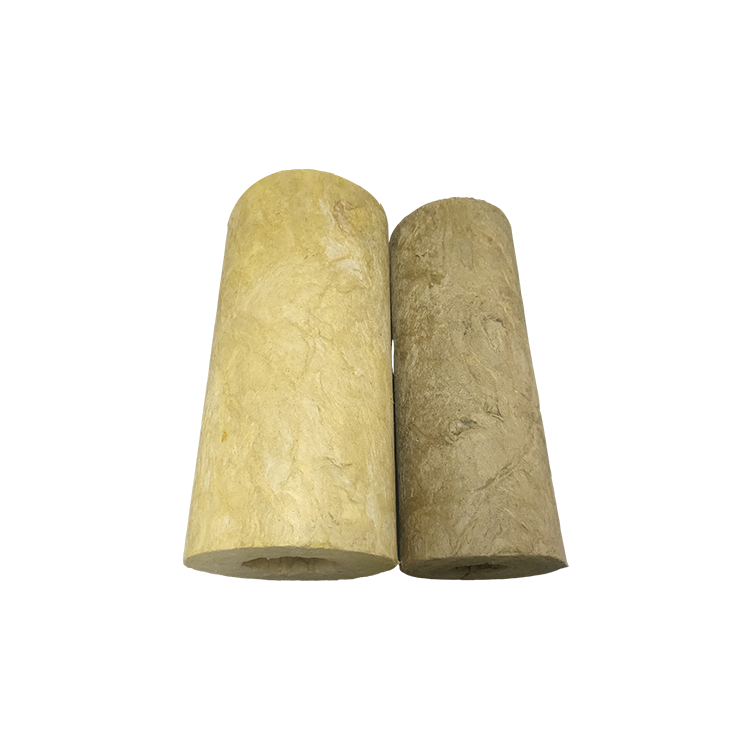
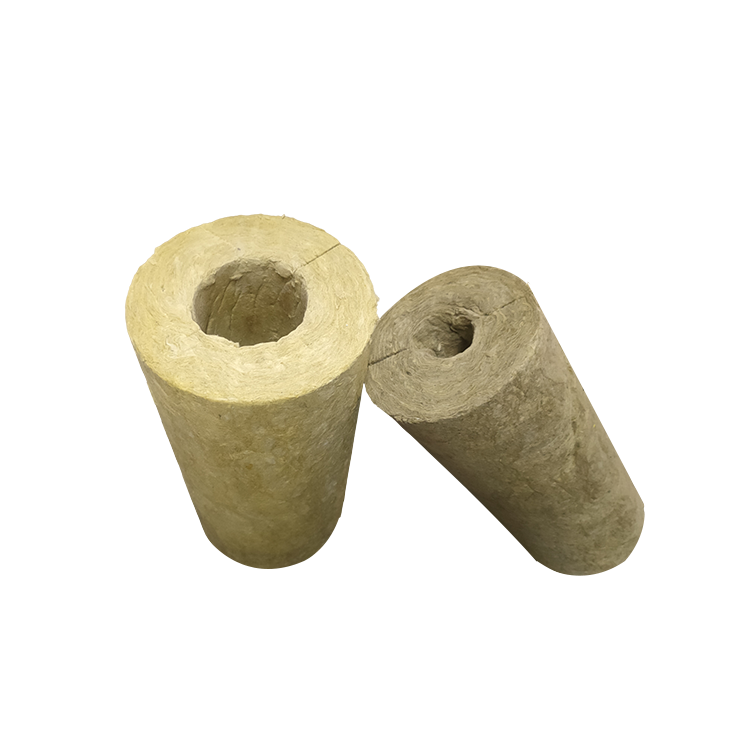
The thermal conductivity of rock wool comes from the numerous micropores formed between its fibers. These pores are filled with still air, and air has low thermal conductivity, making it difficult for heat to be transferred quickly.
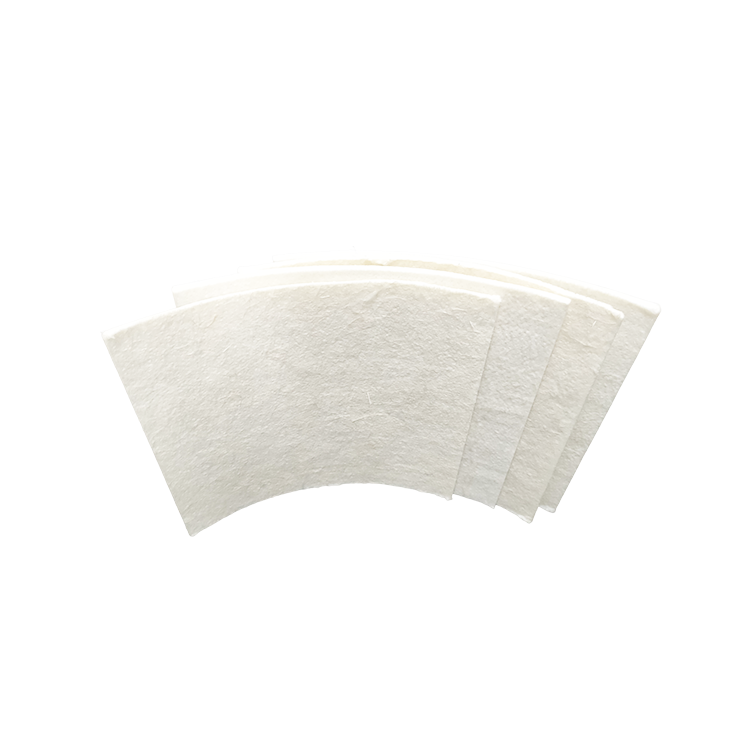
As rail transit vehicles increasingly demand lightweight and energy-efficient designs, aerogel panels, with their low thermal conductivity, light weight, and thinness, are gaining attention in vehicle insulation systems.
Rock wool is made from natural basalt melted at high temperature and drawn into fibers. It has good heat resistance and dimensional stability, and is therefore widely used for insulation of the outer walls of industrial furnaces.
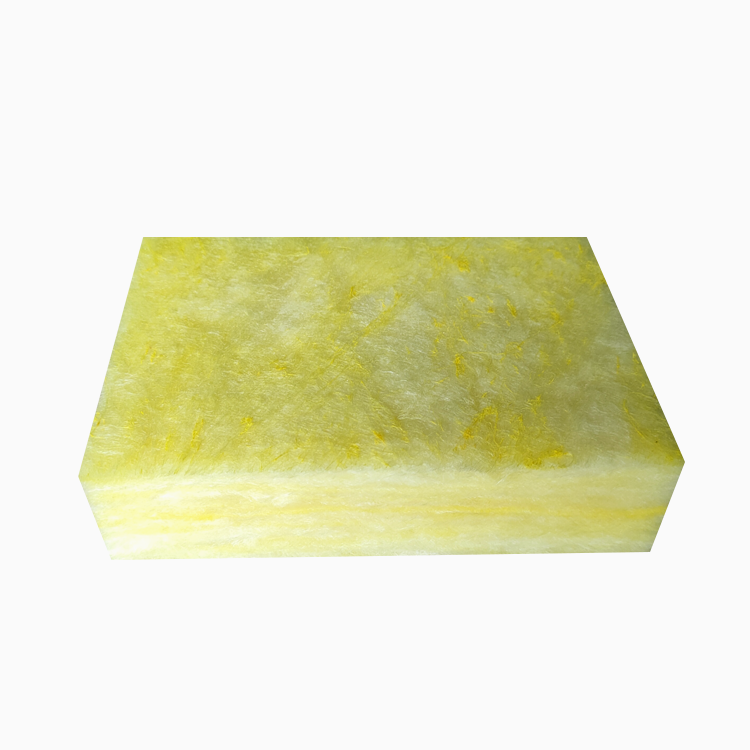
Glass wool, due to its fine fiber structure, can effectively absorb sound energy propagating in the air and is widely used in sound insulation systems for equipment rooms, computer rooms, air conditioning unit rooms, etc.
Among the performance parameters of glass wool, density is a very critical indicator, as it not only affects the strength of the product, but is also closely related to its thermal insulation, sound absorption, and compressive strength.
Rubber and plastics are widely used in refrigeration, heating and ventilation pipelines due to their stable thermal conductivity and thermal stability.
The advantages of aerogels come from two aspects: "reduced solid-phase thermal conductivity" and "almost complete cessation of gas convection" brought about by the micro- and nanoporous structure.
Fiberglass ducts are a type of duct system that combines lightweight, thermal insulation, and sound absorption, and are widely used in large commercial complexes such as shopping malls, hotels, and office buildings. Their internal fiber structure reduces
Because of its soft fibers and compressible structure, elastic felt can maintain a certain degree of toughness in low-temperature environments, which can effectively reduce the risk of cracking and failure of the insulation layer.
Rubber and plastic insulation boards are a type of insulation material widely used in central air conditioning systems. Their structure is a uniform closed-cell state, which can block air flow and reduce heat conduction.
LNG elastic felt is a type of insulation material specifically designed for cryogenic storage and transportation equipment. With its high elasticity, low thermal conductivity, and resistance to low-temperature shrinkage, it has become an important insulat