SEARCH
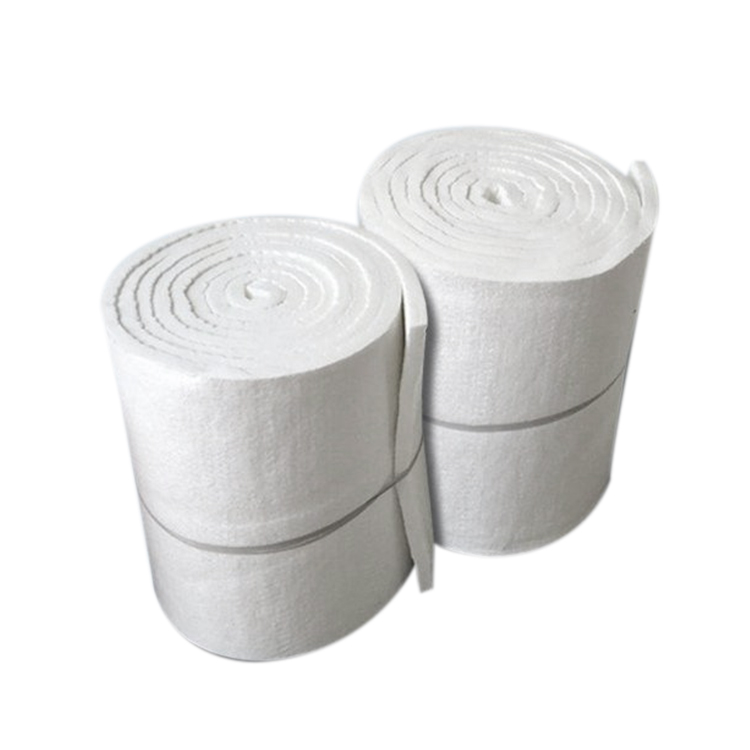
In the fields of industrial equipment, energy systems, and high-temperature pipeline insulation, insulation materials not only need to possess low thermal conductivity but also maintain structural and performance stability under high-temperature environme
In architectural acoustics and industrial noise reduction engineering, the choice of sound-absorbing materials directly affects the effectiveness of spatial noise control. Glass wool, as a common fibrous functional material, is widely used in computer roo
In the fields of building insulation and industrial thermal insulation, fire resistance is one of the important indicators when selecting materials. Rock wool, due to its raw material and structural characteristics, is widely used in places with high fire
In HVAC, chilled water pipes, and refrigeration equipment systems, condensation is a significant factor affecting system stability and lifespan. Rubber and plastic insulation materials, due to their structural characteristics, are widely used in anti-cond
In the LNG (liquefied natural gas) industry chain, equipment and pipelines operate at extremely low temperatures of around -160°C for extended periods, placing extremely high demands on the stability, flexibility, and thermal insulation performance of in
In HVAC systems, the thermal conductivity of ducts directly affects heat and cold loss, system energy efficiency, and operational stability. As a composite duct type integrating structure, insulation, and sound absorption, the thermal conductivity of fibe
The reason aerogels can achieve "ultra-thin yet highly efficient thermal insulation" is not due to material thickness, but rather to their unique nanoscale microstructure and comprehensive suppression of all three modes of heat transfer.I. Why c
Glass wool is a widely used inorganic fiber insulation material in building insulation, HVAC, and industrial equipment insulation. Its insulation performance does not rely on the material itself "insulating heat," but rather on its unique struct
Rock wool is a widely used inorganic fiber insulation material in building energy conservation and industrial insulation. When evaluating the insulation performance of rock wool, thermal conductivity is one of the most crucial and valuable technical indic
In building insulation and HVAC systems, rubber and plastic insulation materials are widely used due to their flexible structure and stable performance. One of the important indicators for measuring their insulation effect is thermal conductivity. This ar
In the fields of cryogenic engineering and energy equipment, LNG (liquefied natural gas) systems place extremely high demands on insulation materials. These materials not only need stable thermal conductivity but also must maintain structural integrity un