SEARCH
Industrial plant exterior walls are exposed to the outdoor environment for extended periods, facing temperature fluctuations, weathering, and noise pollution. Therefore, selecting stable and reliable insulation materials is crucial. Rock wool insulation b
Office buildings demand high levels of comfort and quietness, therefore, central air conditioning systems must be designed to balance energy efficiency with air delivery quality. Fiberglass ducts, due to their lightweight, heat insulation, and sound absor
Industrial equipment casing insulation typically requires materials with low thermal conductivity, stable temperature resistance, and light weight to ensure stable operation. Aerogel insulation materials excel in this field due to their extremely low ther
In ventilation and air conditioning (VAC) ductwork, insulation materials not only affect energy consumption but also the stability of system operation and the quality of the indoor environment. Rubber and plastic (RP) insulation boards, due to their close
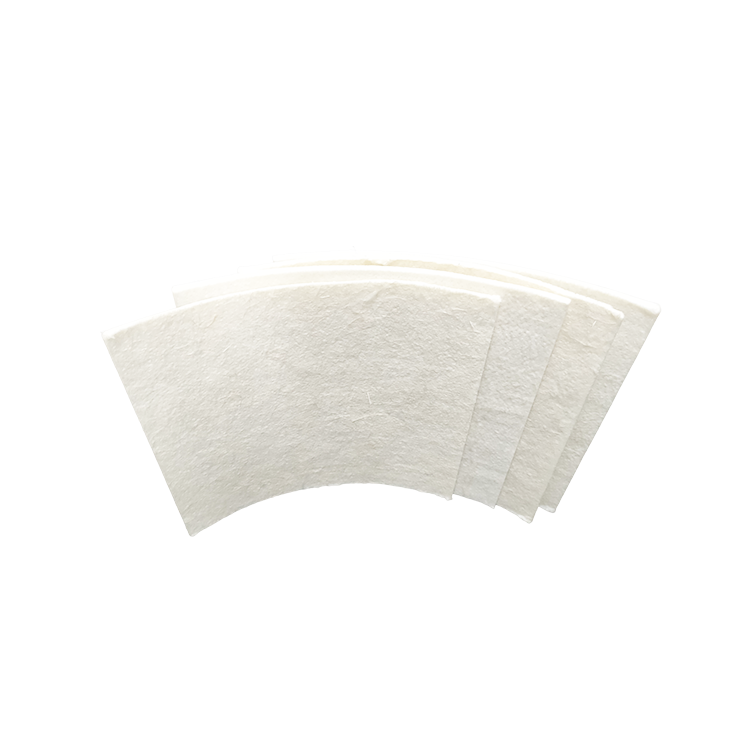
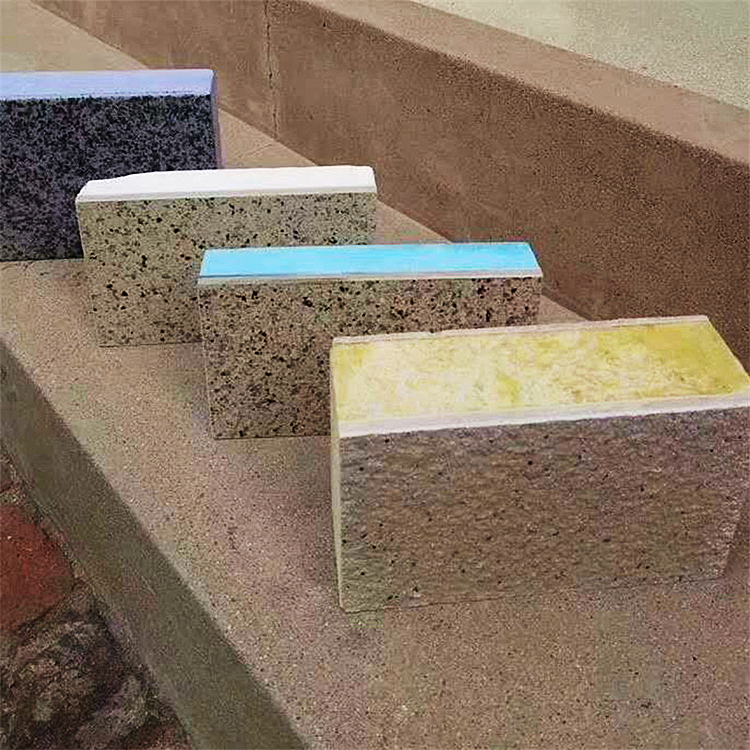
As building energy efficiency standards continue to rise, the performance requirements for exterior wall insulation materials are also becoming more stringent. Aerogel composite panels, with their extremely low thermal conductivity and lightweight structu
Steel structure building roofs typically exhibit rapid thermal conductivity and large temperature differences due to metal, making the selection of insulation materials crucial. Glass wool rolls, as a lightweight and flexible insulation material, are wide
As one of the most important heat exchange interfaces in a building, the thermal insulation performance of the roof has a significant impact on the overall energy efficiency of the building. In roofing systems, rock wool, due to its fire resistance, heat
Computer rooms, with their high equipment density and concentrated heat sources, place higher demands on the safety and stability of insulation materials. Rubber and plastic insulation materials, due to their excellent fire resistance, stable insulation p
In the liquefied natural gas (LNG) industry chain, storage tanks and pipeline systems operate at extremely low temperatures, typically around -162°C, necessitating stringent requirements for the low-temperature resistance, stability, and safety of insula
With the continuous upgrading of building energy efficiency standards, more and more old buildings need energy-saving renovations, and external wall insulation is a crucial aspect of improving building energy efficiency. Aerogel felt, as a new type of ins
In the industrial sector, many equipment pipelines operate at high temperatures for extended periods, thus requiring high levels of thermal stability from insulation materials. Rock wool, due to its excellent thermal insulation properties and high-tempera
Rubber and plastic insulation pipes are a widely used type of insulation material. Because chilled water temperatures are low, condensation easily forms on the pipe surface; therefore, selecting insulation materials with good moisture-proof properties is