SEARCH
In building insulation, HVAC, and industrial piping systems, humid environments are a significant factor affecting the performance and lifespan of insulation materials. Many projects prioritize the suitability of rubber and plastic insulation materials fo
In cryogenic engineering, energy storage and transportation, and industrial insulation, the crack resistance of materials directly affects the safety and long-term stable operation of the system. LNG elastic felt, as a flexible insulation material specifi
In HVAC systems, ducts not only perform air transport functions, but their internal structure also directly affects the system's energy consumption, noise control, and operational stability. Fiberglass ducts, as composite ducts integrating insulation,
In the industrial sector, the thermal insulation effect of equipment and pipelines directly affects energy efficiency, operational safety, and maintenance costs. With increasingly stringent industrial energy conservation requirements, traditional insulati
With the continuous advancement of building energy conservation and green low-carbon concepts, the environmental friendliness of insulation materials has become a key concern for users and project owners. As one of the most widely used inorganic fiber ins
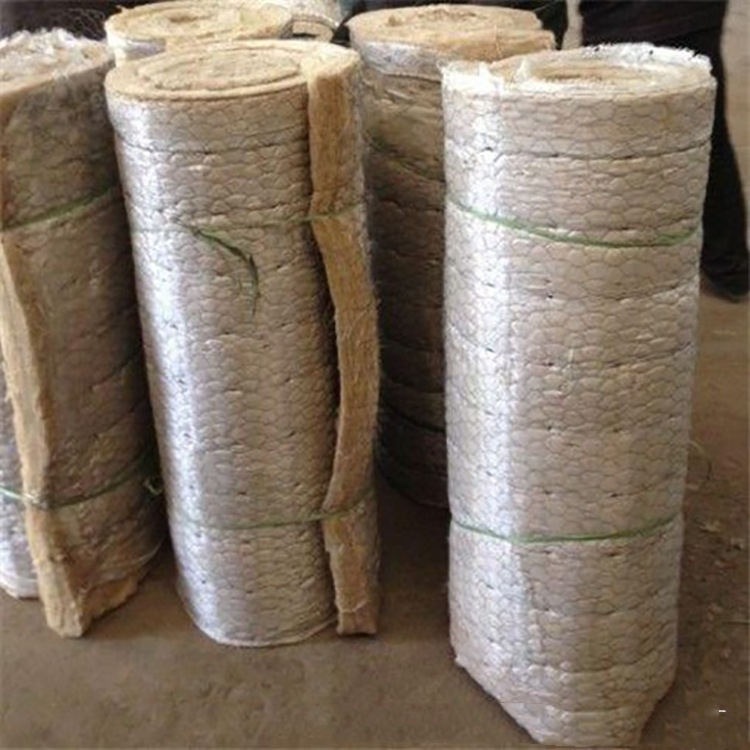
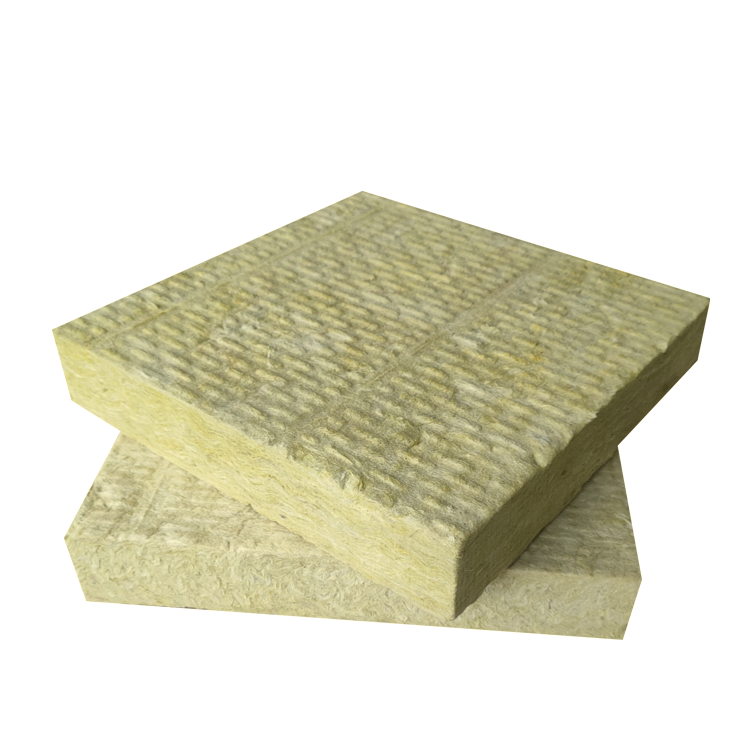
Rock wool, a commonly used inorganic insulation material, is widely applied in building energy conservation, industrial equipment, and pipeline insulation. During the selection process, many users focus on a key indicator—rock wool density. So, what are
In building insulation, HVAC, and industrial piping systems, the service life and long-term stability of insulation materials are crucial considerations during selection. Rubber and plastic insulation materials, due to their good flexibility and stable cl
In the storage, transportation, and cryogenic pipeline insulation of liquefied natural gas (LNG), insulation materials not only need excellent thermal insulation performance but must also withstand the thermal expansion and contraction under extreme cryog
In modern architecture and industry, duct systems are a crucial component of HVAC systems. Besides requiring excellent thermal insulation, sound insulation, and fire resistance, weight is also a significant design factor. With increasingly stringent energ
In the thermal insulation materials industry, with continuous technological advancements, new types of thermal insulation materials are constantly emerging. Among them, aerogel, as a material with ultra-low thermal conductivity, has received widespread at
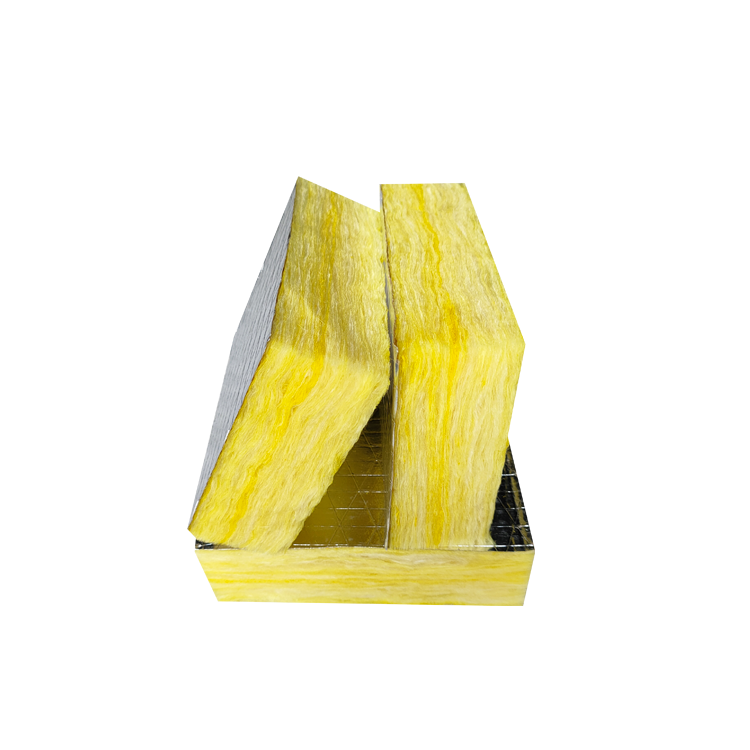
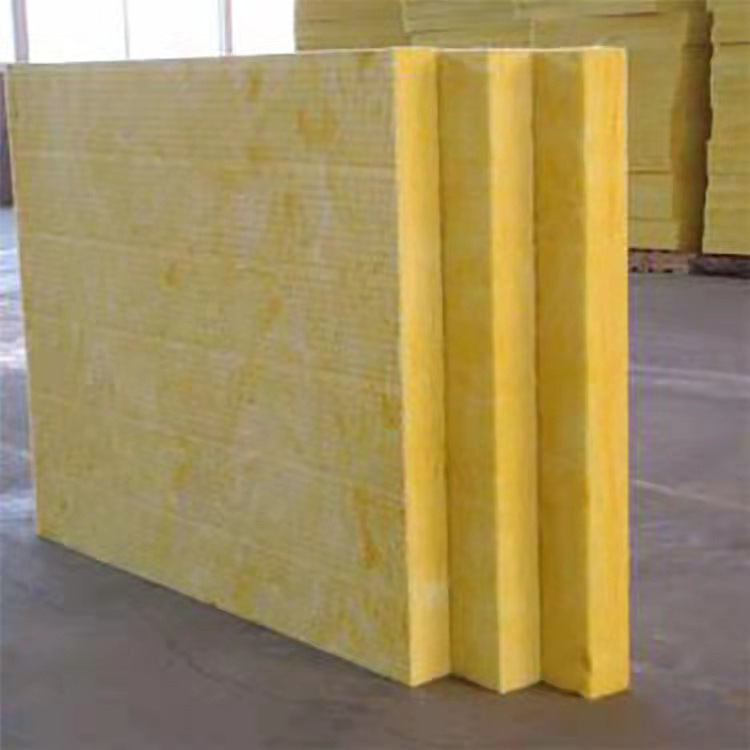
Glass wool is a high-efficiency insulation material widely used in construction, HVAC, and industrial insulation. Its density is one of the important factors affecting its insulation, sound absorption, and fire resistance properties. So, how does the dens
Rock wool, a common thermal insulation material, is widely used in buildings, industrial applications, and HVAC systems. Besides its significant thermal insulation performance, rock wool's sound absorption properties are also a major advantage in vari