

SEARCH

With the continuous adjustment of industrial energy structure, cryogenic technology is increasingly widely used in energy, chemical, and related industrial fields. The ongoing development of the LNG industry chain has led to increasingly higher performanc

In large public and industrial building projects, HVAC systems are typically large in scale and have long operating cycles, placing high demands on the performance, construction efficiency, and long-term stability of duct materials. Fiberglass ducts, as a
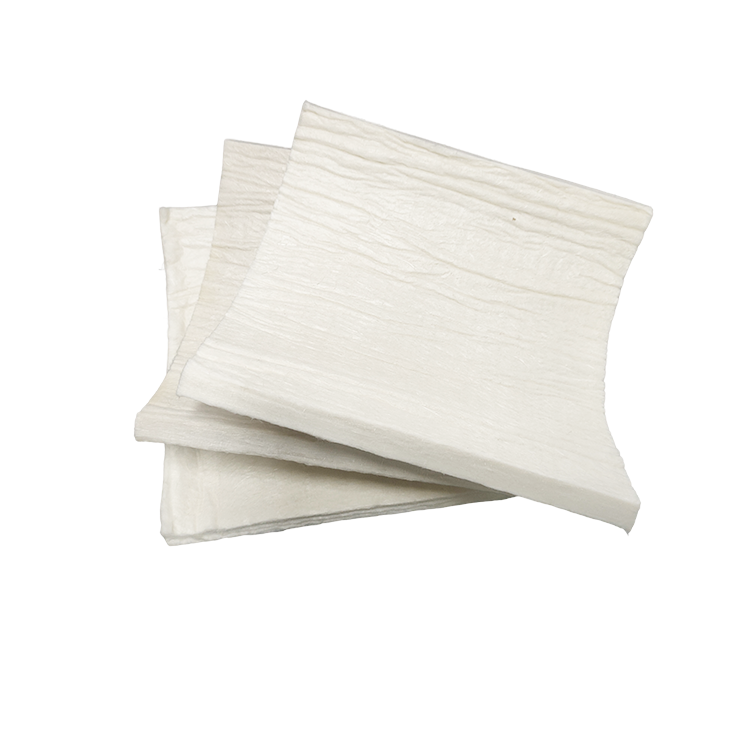
In the building and industrial sectors, many insulation systems require long-term continuous operation, placing high demands on the stability, durability, and overall performance of materials. With the increasing application of high-performance insulation
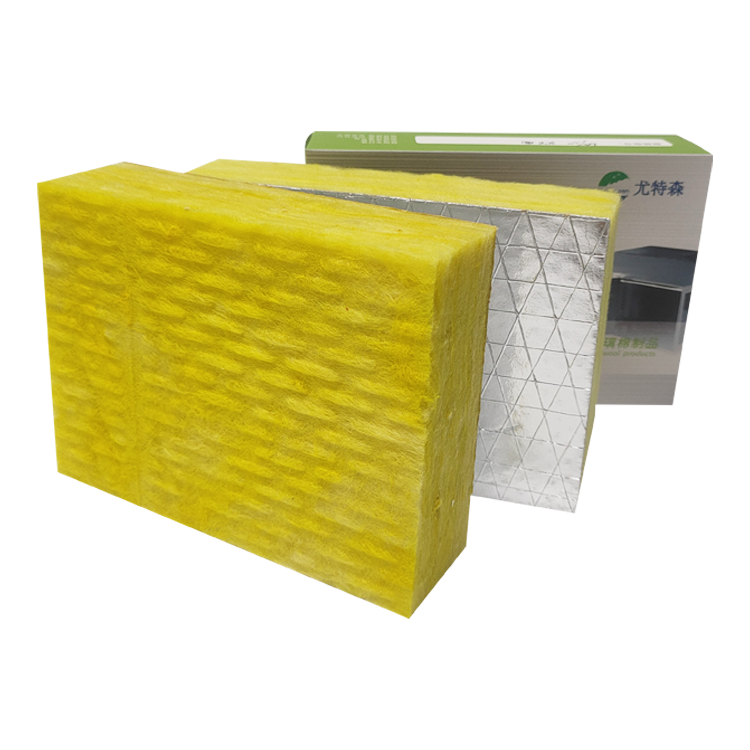
With increasing global emphasis on sustainable development and energy efficiency, the construction of energy-efficient buildings has gradually become a significant trend in the construction industry. As a key measure to improve building energy efficiency
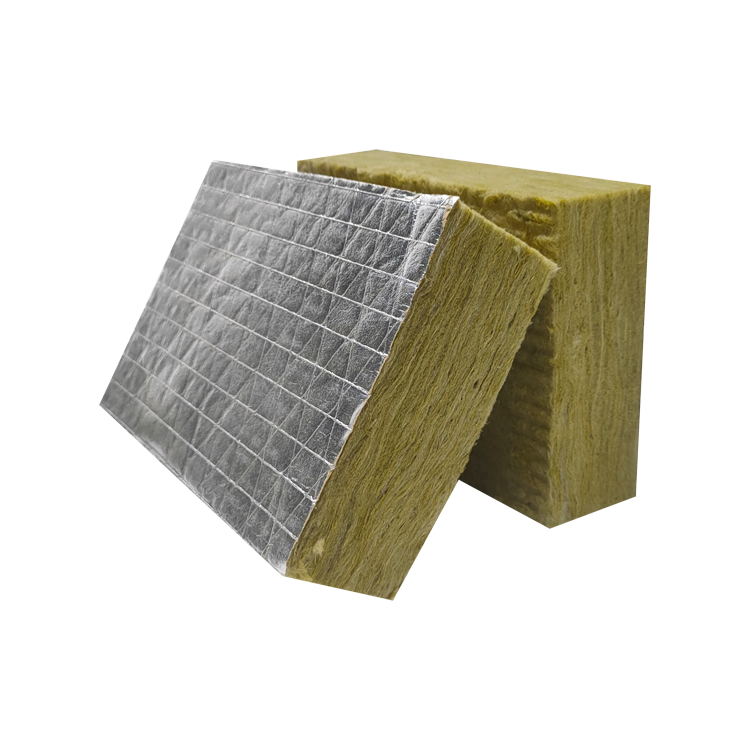
In building and industrial insulation engineering, humidity is a significant factor affecting insulation materials, especially for insulation systems exposed to humid environments for extended periods. The material's moisture resistance directly impac

In building and industrial thermal insulation projects, systems typically need to operate continuously for extended periods. The performance stability of insulation materials directly impacts energy efficiency and maintenance costs. Rubber and plastics (R

With the continuous development of the cryogenic energy industry, LNG and related cryogenic energy systems are increasingly widely used in storage, transportation, peak shaving, and end-use. Cryogenic operating conditions place high demands on the continu

In building energy consumption structures, HVAC systems account for a significant proportion, and their operational efficiency directly impacts overall energy consumption levels. As a crucial component of HVAC systems, the choice of materials for duct sys

With the continuous improvement of high-end equipment manufacturing capabilities, equipment operating environments are evolving towards high temperature, high pressure, low temperature, and complex working conditions, placing higher demands on the compreh

In building and industrial insulation systems, high-temperature conditions place clear demands on the stability and safety of materials. Glass wool, as a commonly used inorganic fiber insulation material, directly affects the insulation effect and long-te

In building and industrial insulation systems, high-temperature environments place higher demands on material performance. Rock wool, as a common inorganic fiber insulation material, has always had its high-temperature resistance as a crucial factor in en
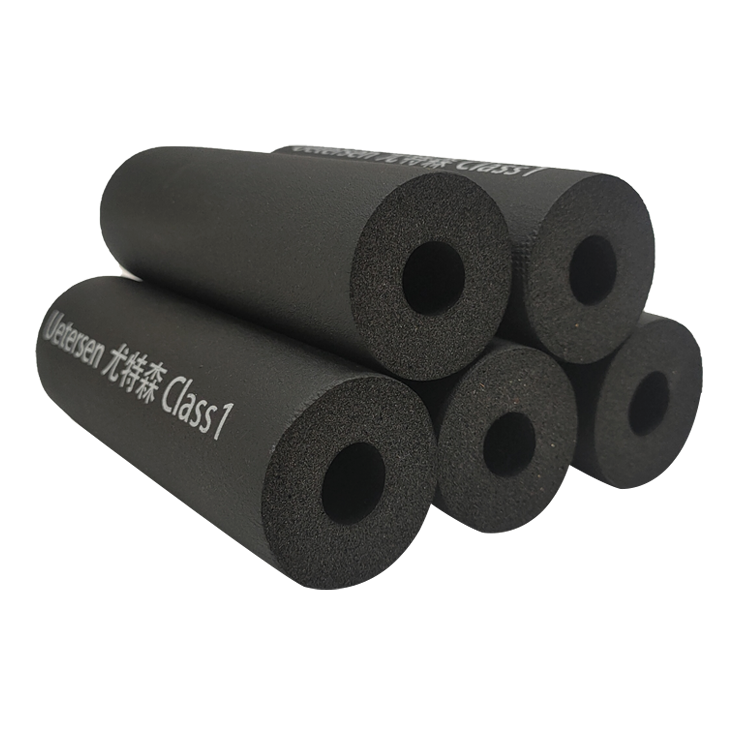
In engineering fields such as refrigeration, cold storage, and cryogenic transportation, the performance stability of insulation materials in low-temperature environments directly affects the system's operational effectiveness. Rubber and plastics, as
hotline:
 18565454573